Data
DynamoDB Data Modeling: How to Design Tables for Scalability and Performance
Learn how to model data in Amazon DynamoDB using access patterns, partition keys, sort keys, and GSIs with practical examples.
TCTharaka Chathuranga · · 7 min read
Writer8 articles
Software Engineer @ Enlear
Learn how to model data in Amazon DynamoDB using access patterns, partition keys, sort keys, and GSIs with practical examples.
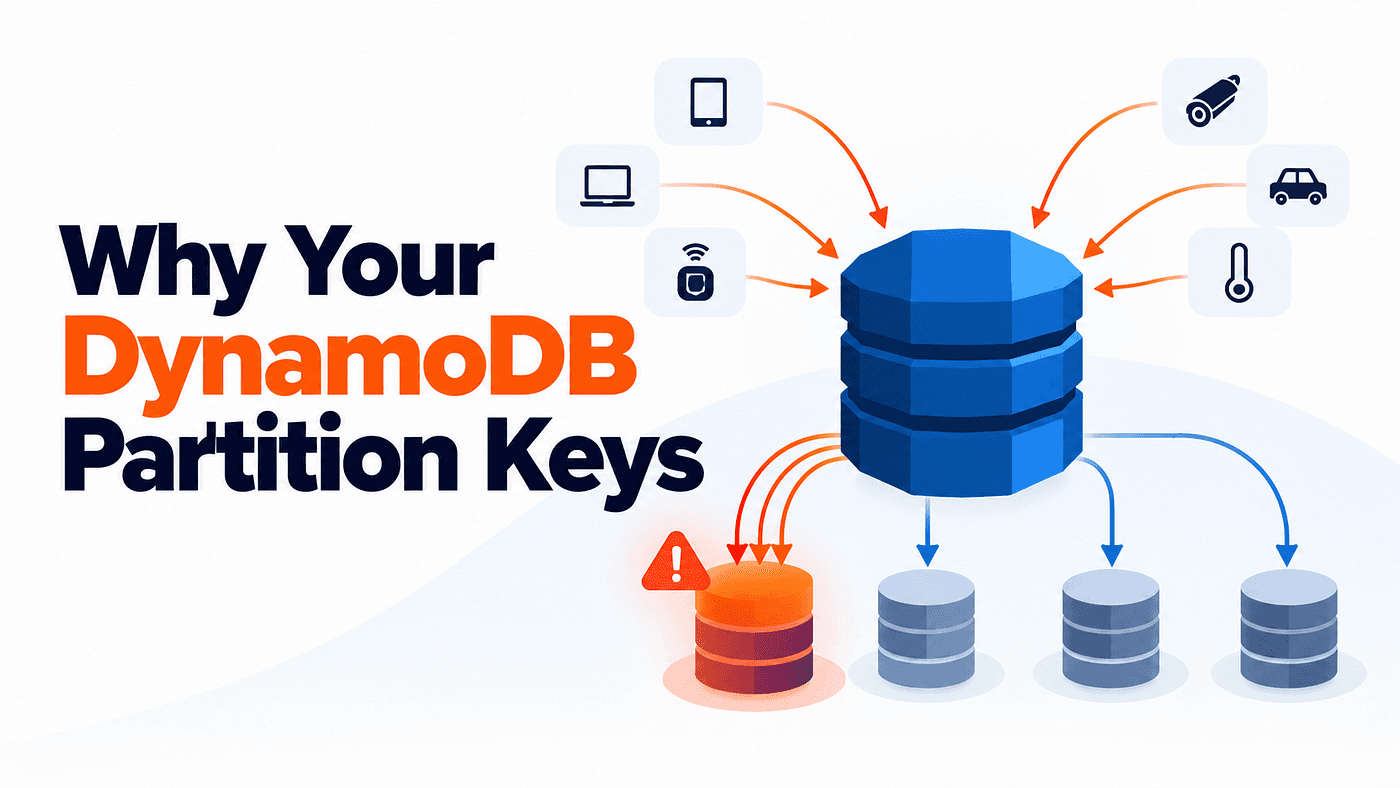
Why DynamoDB Throttles Even When Capacity Is Available Understand how DynamoDB partition keys, physical partitions, capacity limits, and write sharding affect application performance. Your …
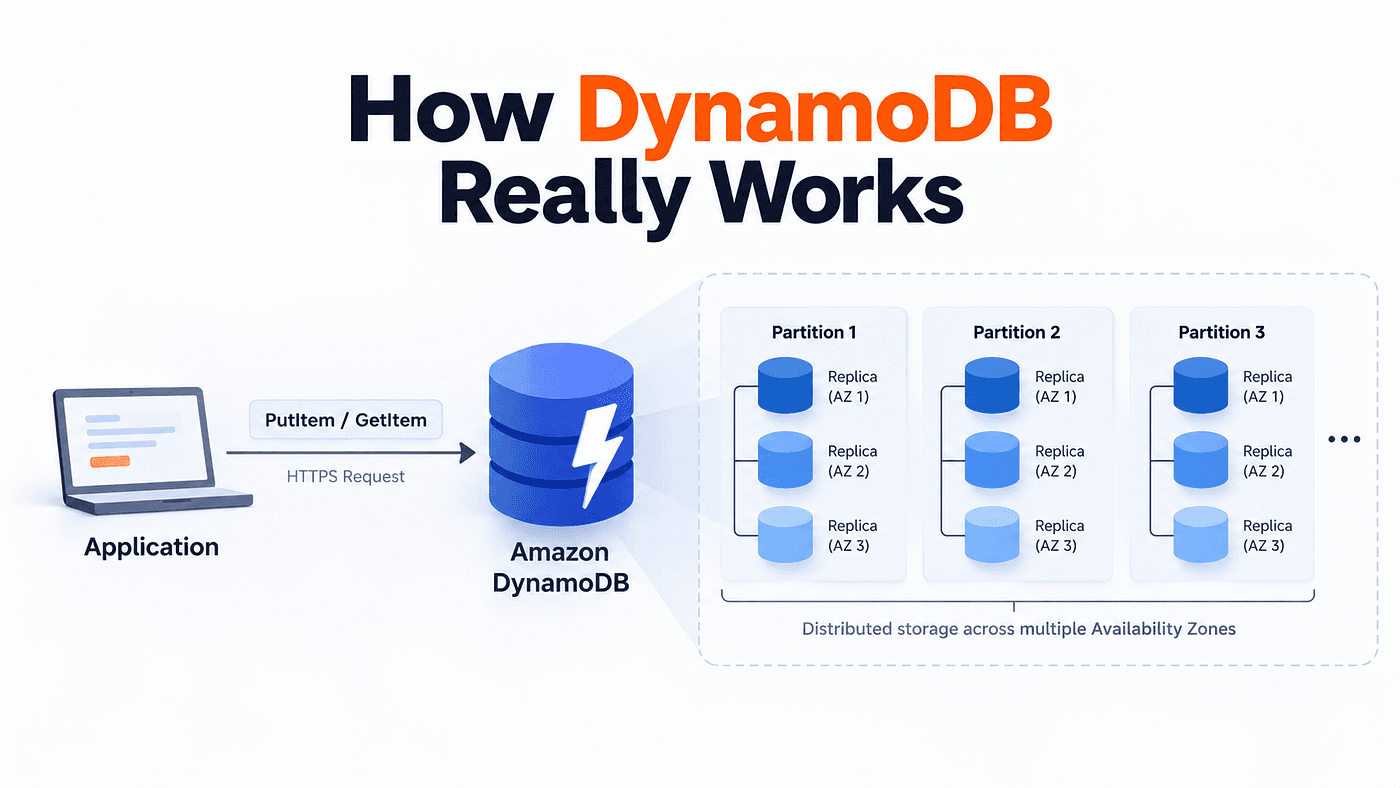
How DynamoDB Really Works Partitions, replication, and consistency behind every read and write. Imagine your application sends a PutItem request to DynamoDB. A few milliseconds later, you get a …
Reduced Lambda Bundle Size in Amplify Gen 2 A Lambda that just reads from DynamoDB, talks to a couple of AWS services, and returns a JSON payload should be tiny. So when I noticed some of our …
Understanding the APPSYNC_JS Runtime Learn what JavaScript works inside APPSYNC_JS, where it differs from Node.js, and how to avoid common resolver errors in AWS AppSync and Amplify Gen 2. If you …
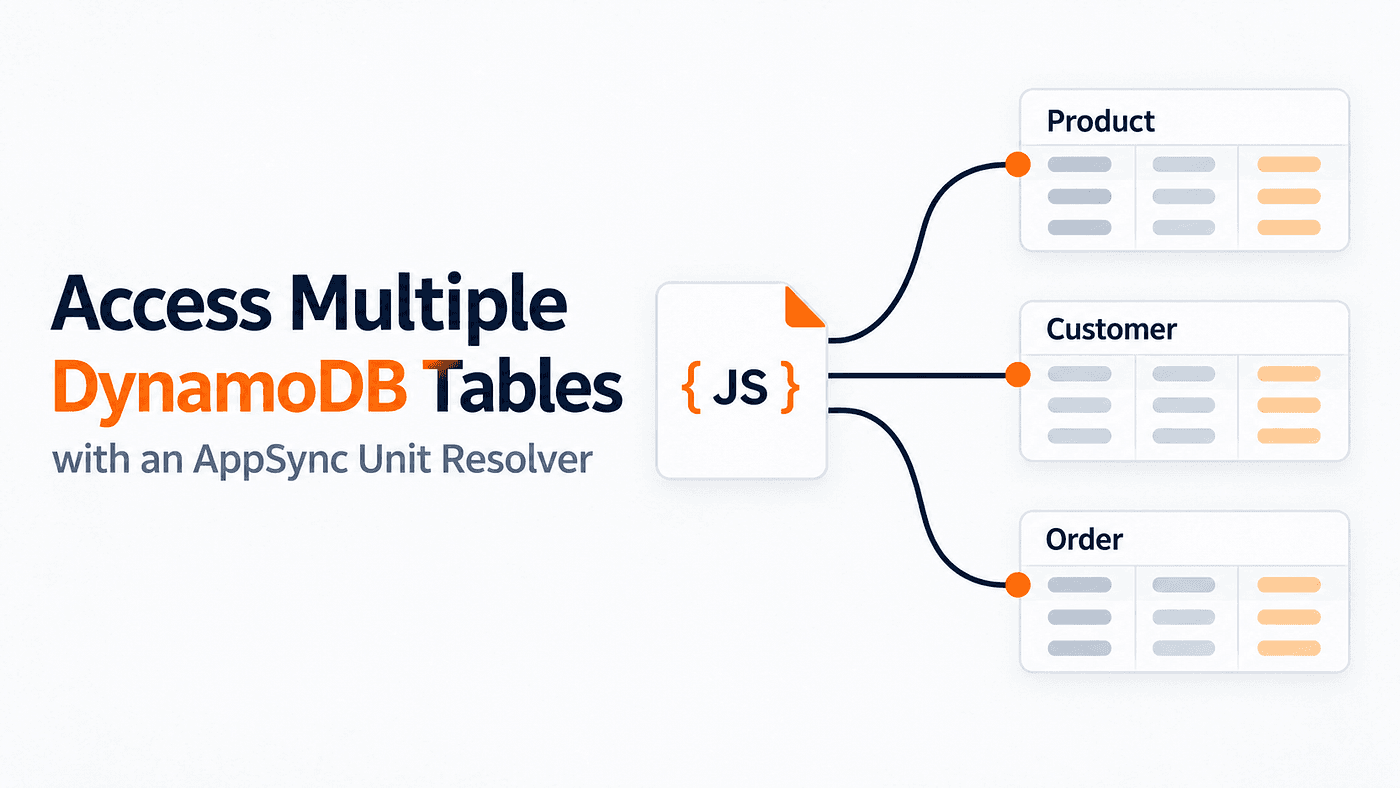
Access Multiple DynamoDB Tables with an AppSync JS Unit Resolver Use BatchGetItem and TransactWriteItems in Amplify Gen 2 JavaScript Unit Resolver to access multiple DynamoDB tables without adding a …
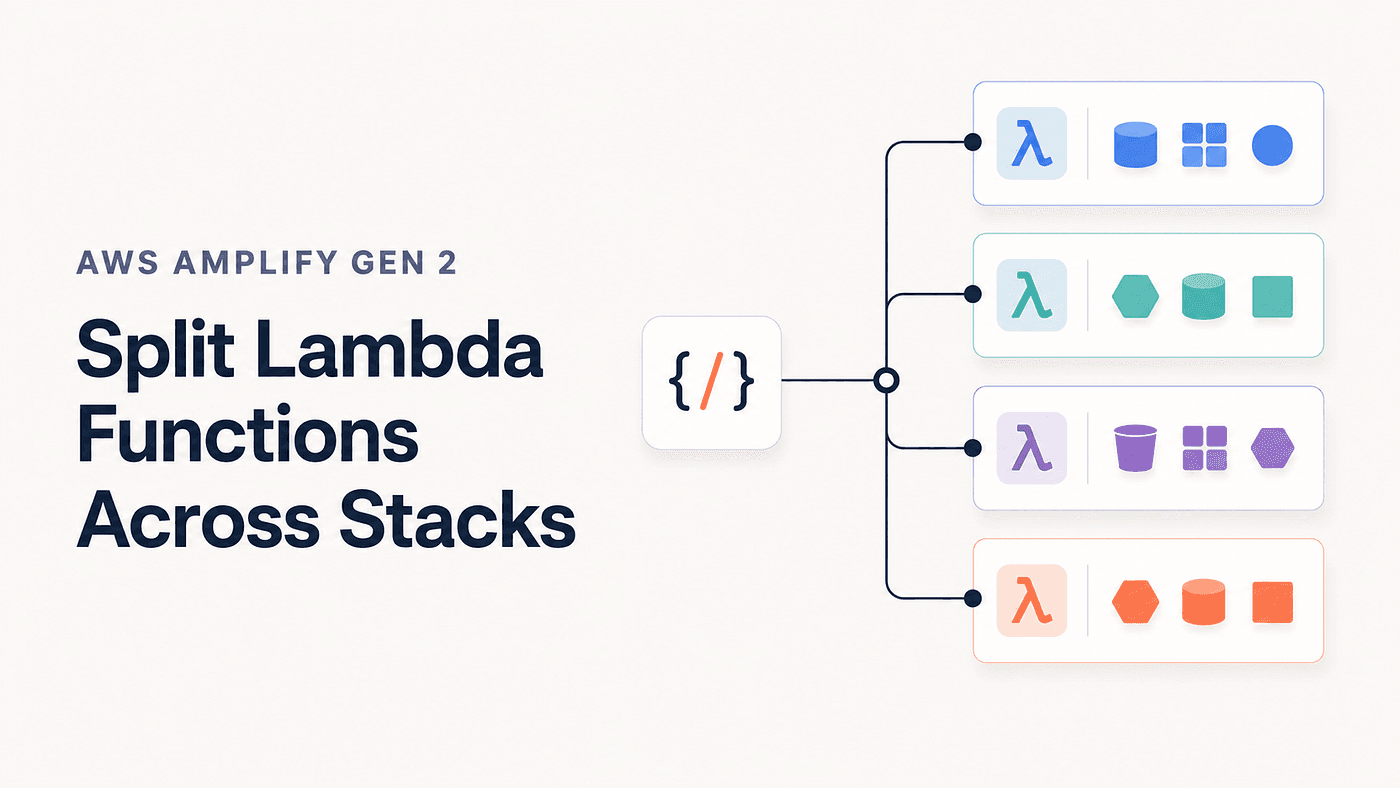
Scaling Amplify Gen 2: Splitting Lambda Functions Across Stacks Use a centralized defineFunction wrapper to automatically distribute Lambda functions across resource groups as your backend grows. On …
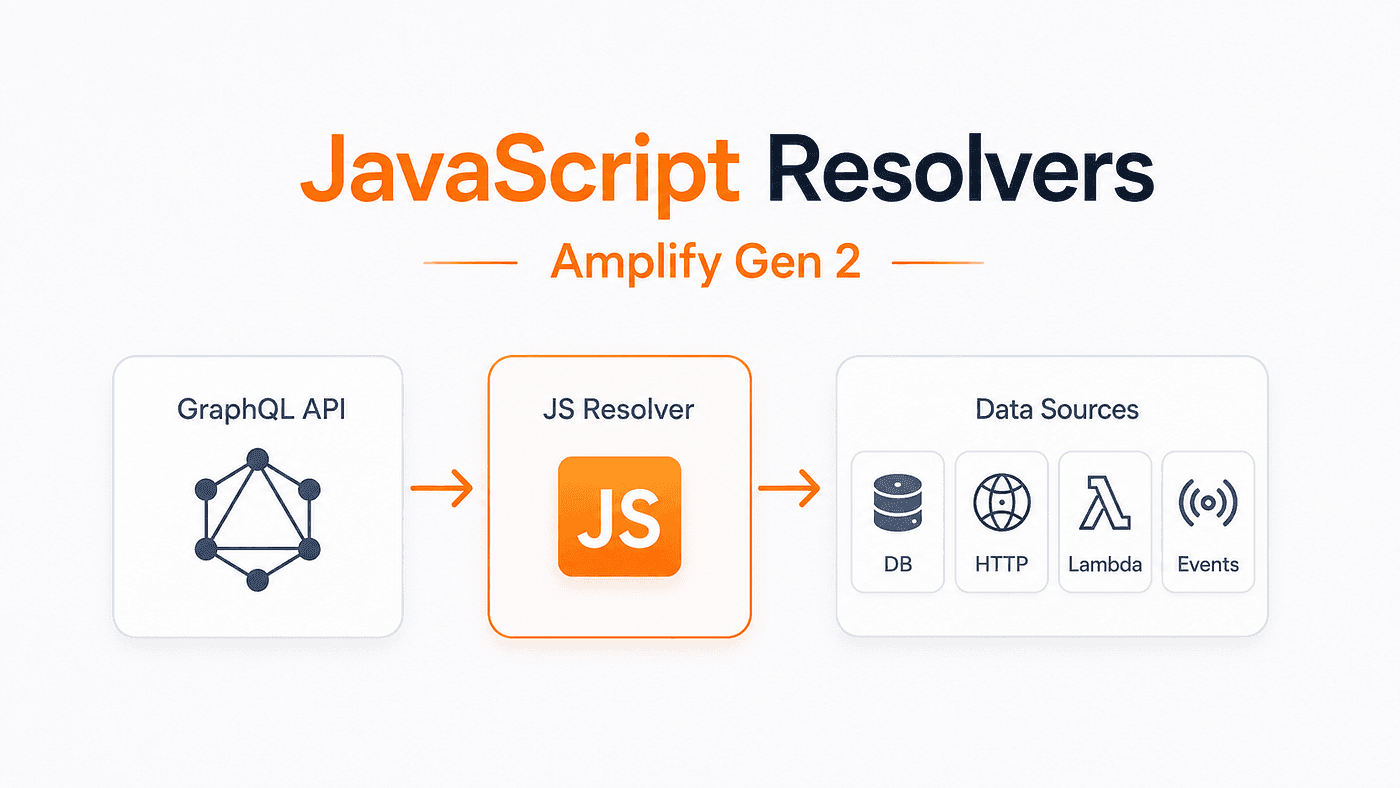
How to Get Started with JavaScript Resolvers in AWS Amplify Gen 2 Learn how AppSync JavaScript resolvers work in Amplify Gen 2, when to use them, their runtime limitations, and how to build your …