Data
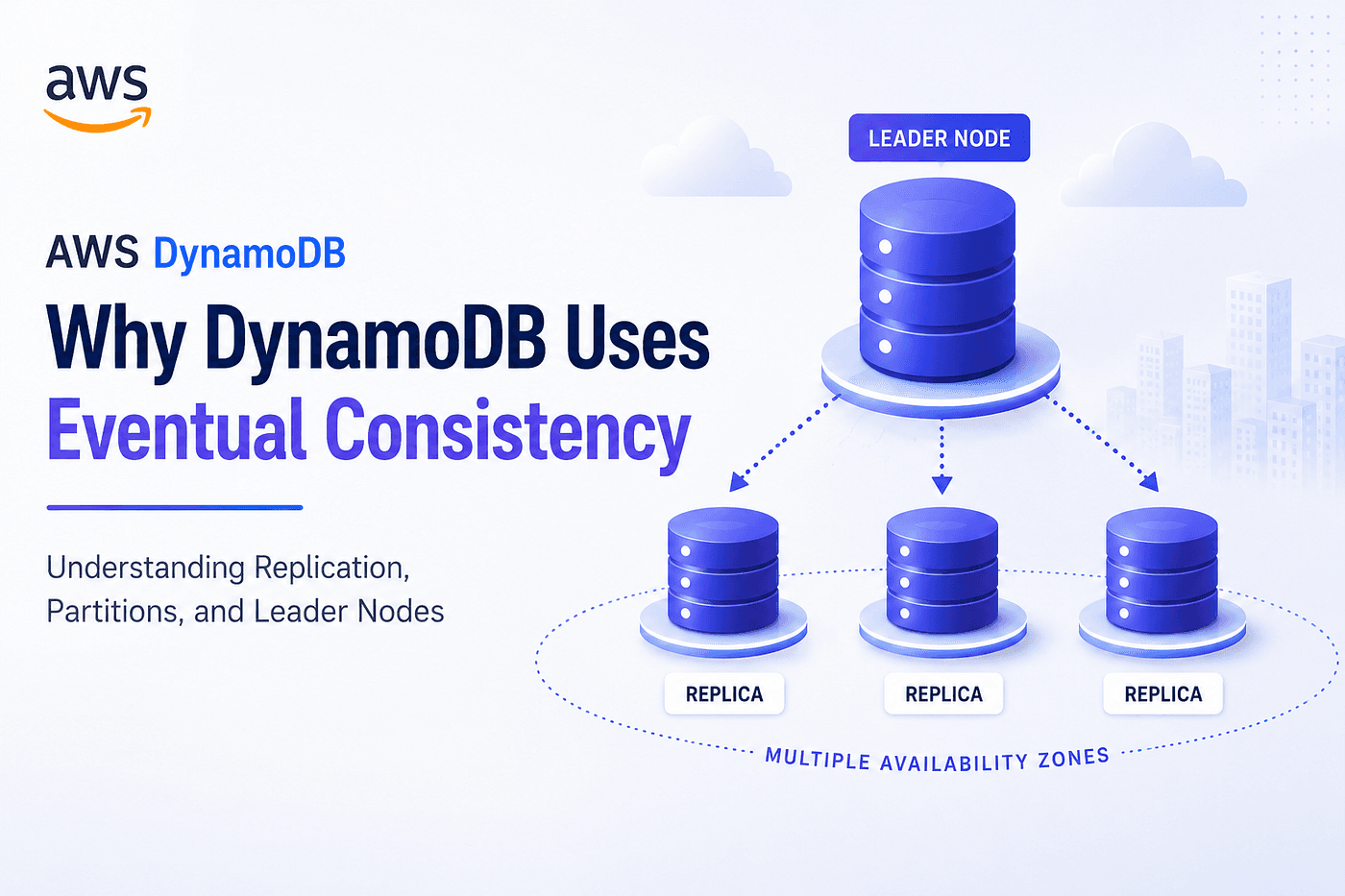
Why DynamoDB Uses Eventual Consistency
Understanding Replication, Partitions, and Leader Nodes in Eventual Consistency
MNMaleesha Nuwanthi Kolombage · · 6 min read
Topic7 articles
DynamoDB, Aurora, S3 and the analytics stack: modelling, querying and moving data at scale.
Understanding Replication, Partitions, and Leader Nodes in Eventual Consistency
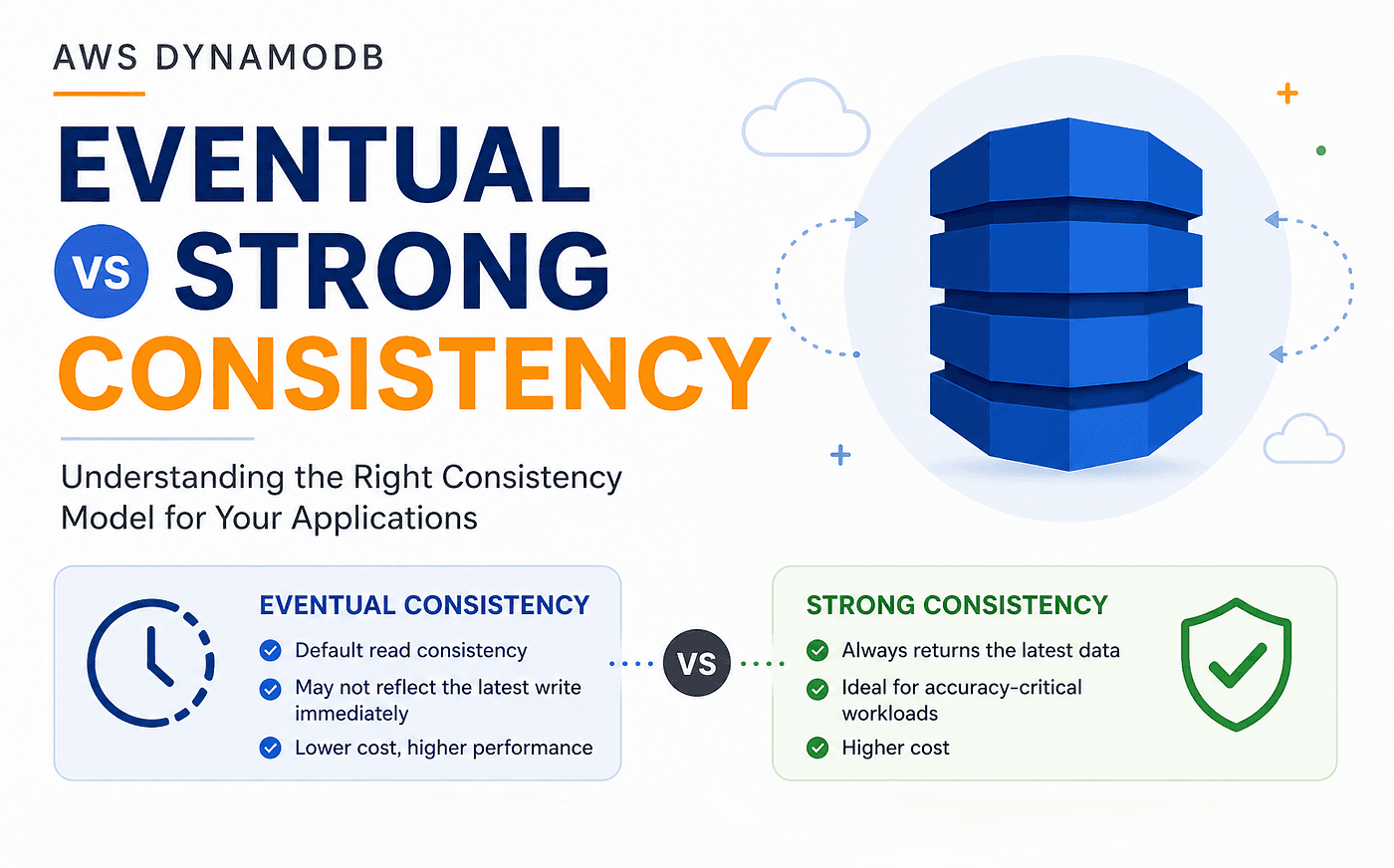
AWS DynamoDB Eventual Consistency VS Strong Consistency Amazon DynamoDB reads data from tables, local secondary indexes (LSIs), global secondary indexes (GSIs), and streams. Both tables and LSIs …
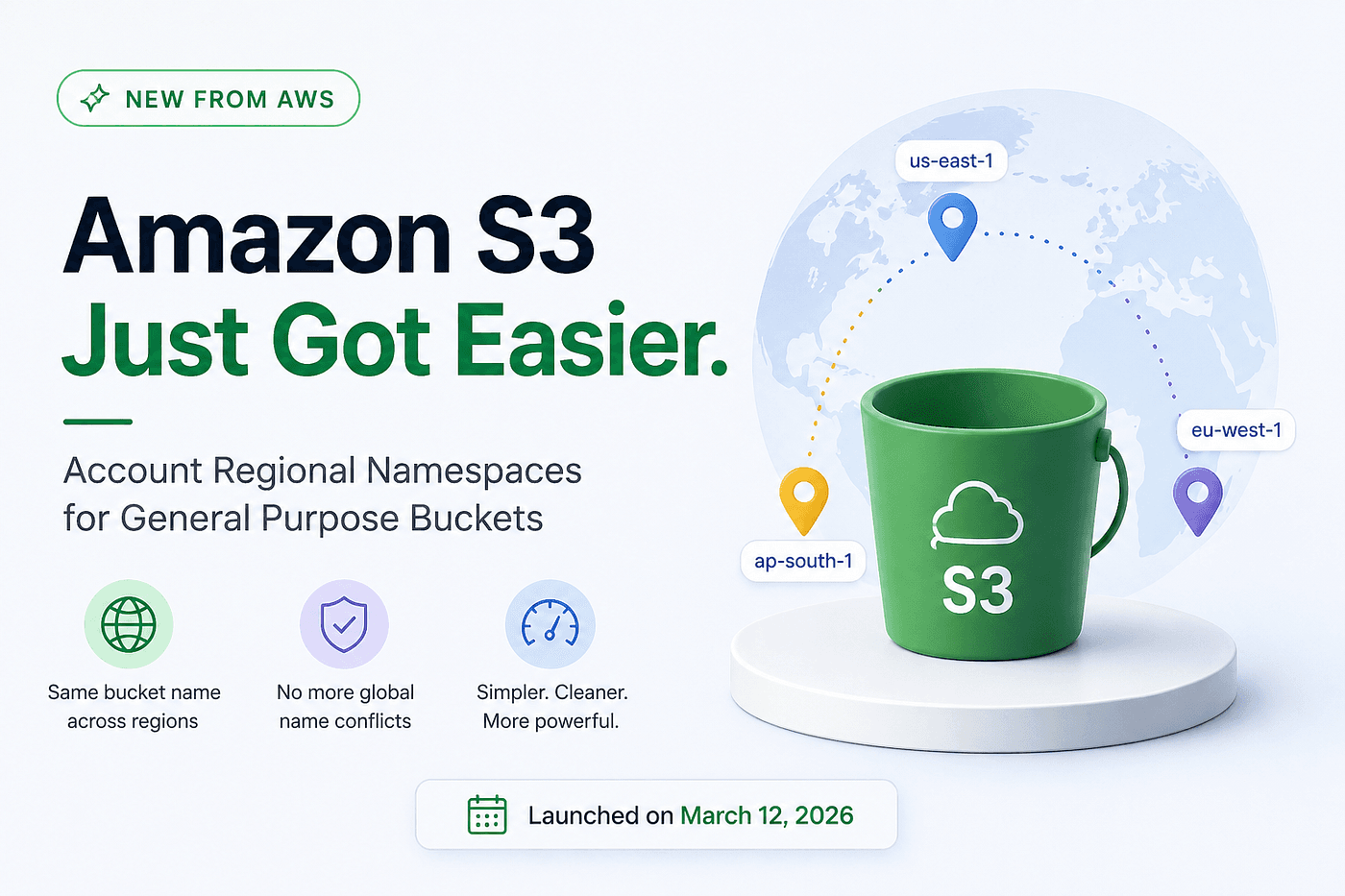
Amazon S3 Account Regional Namespaces Simplifying S3 Bucket Naming Across AWS Regions Cloud storage is at the heart of modern applications, and Amazon S3 (Simple Storage Service) has long been one of …
GSI vs LSI in DynamoDB Difference between GSI and LSI in DynamoDB When you start learning DynamoDB, one thing becomes clear very quickly: how you design your keys decides how well your table works …
Choosing the Right AWS Database: SQL vs NoSQL in the Cloud (RDS vs Aurora vs DynamoDB) When you create a app , At first it’s simple: one app, one database. Then the system grows: a background …
AWS EBS vs EFS vs S3 How to Choose the Best AWS Storage Option for Your Project Amazon web services are widely used around the world for storage options. However, choosing a storage option is not …
Managing Database Connections with Amazon RDS Proxy